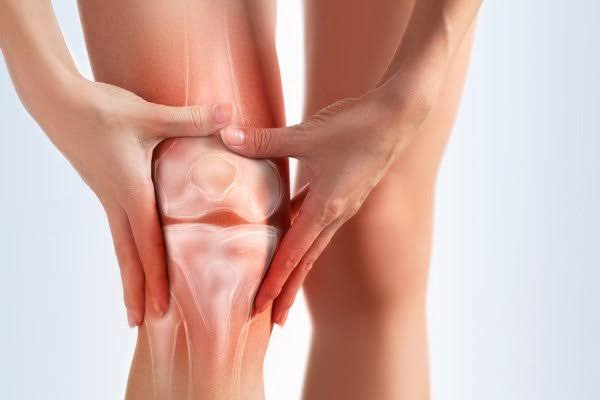
Knee stiffness can happen after sitting for a long time, completing a demanding workout, or spending an unusually active day. When the sensation disappears quickly and occurs only occasionally, it may not seem particularly significant. Repeated stiffness, however, can provide useful information about how the knee joint is moving and responding to everyday demands. Paying attention to when stiffness occurs, how long it lasts, and what activities trigger it can help identify changes in joint function before they begin interfering more seriously with mobility.
Stiffness Can Reflect Changes in Joint Mobility
A healthy knee needs sufficient mobility to bend and straighten smoothly during walking, climbing stairs, getting out of a chair, and many other movements. Repeated stiffness may indicate that the joint is no longer moving through its normal range as comfortably as it once did.
Even a relatively small loss of motion can change everyday movement patterns. Someone who cannot fully straighten the knee, for example, may unconsciously alter the way they stand or walk. Over time, these compensations can place different demands on surrounding muscles and joints.
The Timing of Stiffness Provides Important Clues
Not all knee stiffness follows the same pattern. The point at which symptoms appear can reveal useful information about joint behavior.
Stiffness that is strongest immediately after waking may have different implications from stiffness that develops after exercise. Similarly, a knee that becomes stiff after prolonged sitting may respond differently to movement than one that gradually tightens after hours of standing or walking.
Tracking these patterns can make an evaluation more informative. A knee specialist may consider when symptoms occur alongside factors such as swelling, pain, previous injuries, range of motion, stability, and activity level to develop a clearer picture of what is affecting joint function.
Swelling May Quietly Restrict Movement
Knee stiffness does not always feel like obvious swelling. A relatively small increase in fluid within or around the joint can create pressure and make bending or straightening feel restricted.
This can sometimes create a cycle. Swelling limits comfortable movement, reduced movement affects normal muscle activation, and altered muscle function can make everyday activities feel more difficult. Someone may describe the knee as tight, heavy, or resistant rather than visibly swollen.
Recognizing these subtle sensations can be useful when determining why stiffness keeps returning.
Muscle Function Can Influence How the Knee Feels
The knee does not function independently. Muscles around the thigh, hip, and lower leg contribute to controlling its movement. If certain muscles become weak, tight, or poorly coordinated, the knee may experience forces differently during activity.
For example, the quadriceps are important for controlling knee movement when standing from a chair or descending stairs. Hip muscles also help control the position of the leg during walking and other weight-bearing activities.
Repeated stiffness may therefore involve more than structures located directly inside the knee. Evaluating the entire movement chain can reveal contributing factors that might otherwise be overlooked.
Previous Injuries Can Continue Affecting Joint Mechanics
An old knee injury may influence movement long after the initial pain has disappeared. People sometimes develop subtle compensations while recovering and continue using them without realizing it.
Changes in walking, reduced confidence in one leg, or incomplete restoration of strength can gradually influence joint mechanics. Scar tissue or previous damage may also affect mobility in certain cases. This is one reason a detailed injury history can be important when investigating recurring stiffness.
A knee that repeatedly feels restricted years after an injury may be signaling that its movement mechanics have never completely returned to their previous pattern.
Joint Surface Changes Can Affect Smooth Motion
The surfaces inside the knee are designed to move efficiently while handling substantial loads. Changes involving cartilage or other joint structures can influence how smoothly these surfaces interact.
Stiffness may become noticeable during specific activities before it becomes constant. Deep bending, getting up after sitting, kneeling, or using stairs may expose limitations that ordinary level walking does not.
This does not mean that every stiff knee has significant joint damage. Rather, recurring symptoms provide information worth considering alongside physical examination and, when appropriate, diagnostic imaging.
Repeated Stiffness Should Be Viewed as a Pattern
One isolated episode of knee stiffness provides limited information. A recurring pattern tells a more meaningful story. Frequency, duration, activity triggers, swelling, discomfort, and changes in mobility can collectively reveal how well the knee is functioning.
Persistent or worsening stiffness deserves attention, particularly when it begins limiting normal activities or occurs with significant swelling, instability, locking, or pain. Understanding the pattern early can help identify the factors affecting movement and guide an appropriate approach to maintaining comfortable, dependable knee function.